
The Blood of Dawnwalker Combat Guide — Directions, Blocks & Parries
Watch the icon, not the animation: a shield means block or parry, a skull means dodge — everything else is footwork and stamina.
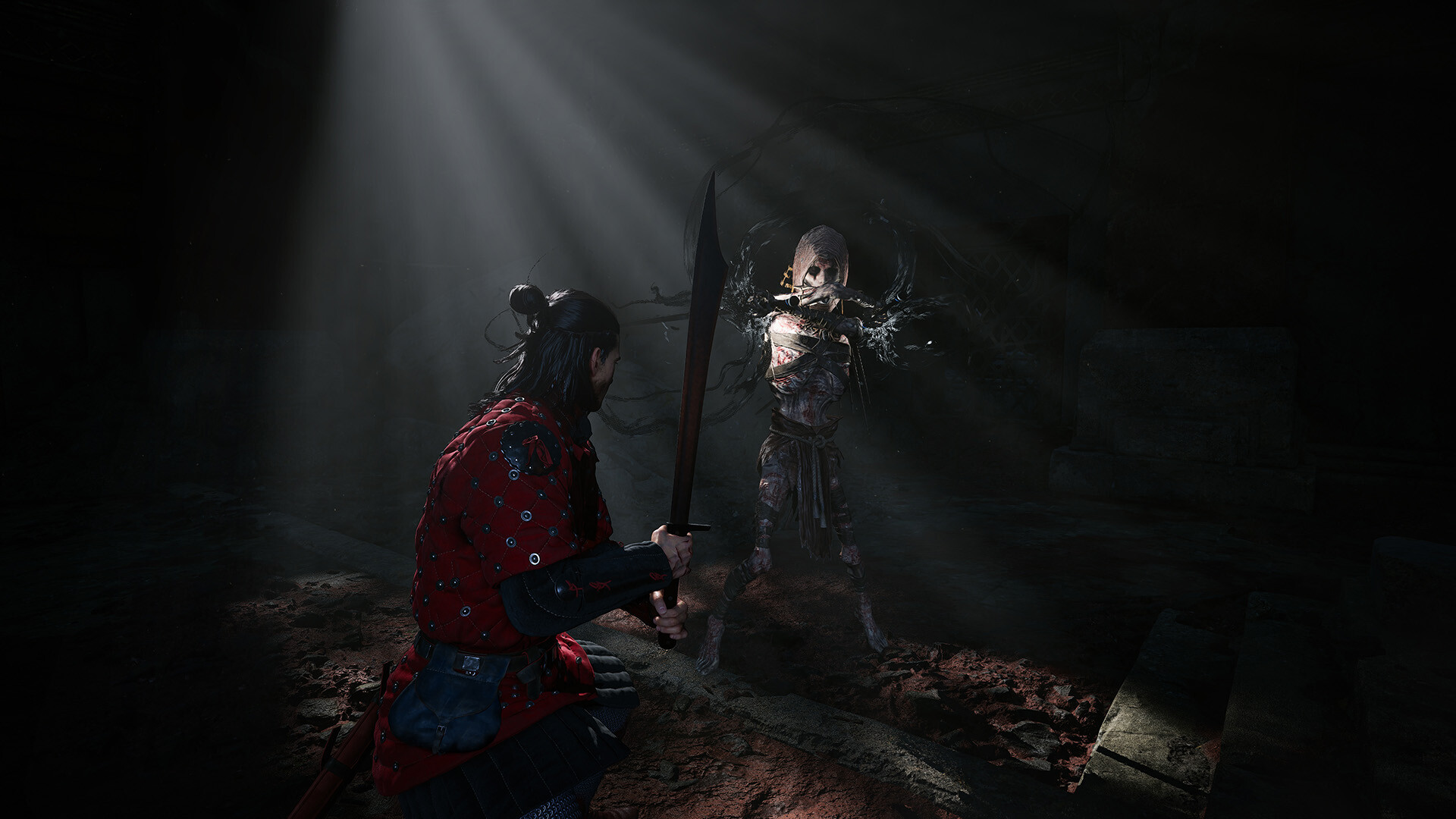
Quick answer: Combat in The Blood of Dawnwalker runs on four directions — up, down, left, right — for both swings and blocks. A shield icon marks an attack you can parry as it turns orange; a skull icon marks an unblockable hit you dodge instead. Perfect blocks cost no stamina and open a counter window, while the omniblock and omniattack modes trade direction choice for extra stamina drain.
Combat at a glance
Rebel Wolves built the fighting around readable telegraphs instead of combo strings, and every system on this page hangs off that choice. The table below is the whole defense theory of the game in four rows — learn it once and every enemy from roadside bandits to Brencis follows the same grammar.
| Indicator | What it means | Your response |
|---|---|---|
| Shield icon | Blockable incoming attack | Match the block direction, or parry with good timing |
| Shield turning orange | Parry window open | Tap block — a successful parry costs no stamina |
| Skull icon | Unblockable attack | Dodge or step out of range entirely |
| Direction markers | Where the swing lands | Strike an unguarded line or block the incoming one |
The four-direction system
Every sword exchange in the game plays out across four attack lines: up, down, left, and right. You choose a direction with the left stick and press attack to swing along it; enemies telegraph the line their own strike will come from. Reading those telegraphs is the core skill, because a correct read lets you strike or block where the opponent is not. Successful attacks, blocks, and parries all feed the same meter, building activation points that fuel your stronger abilities mid-fight.
The system applies to more than swords. Bare-handed punches and blocks follow the same directional rules, so a disarmed Coen is never defenseless, and the claws you grow at night slot into the identical framework with their own reach and speed.
Direction cuts both ways. Enemies hold guard lines of their own, and a swing straight into a ready blade taxes your stamina instead of their health. The fix is patience: circle, wait for the commit, and answer into the line your opponent just vacated. The reticle makes the read explicit, so treat every exchange as a question of which line is temporarily yours — force a mistake on one line, then collect the payment on another.
Reading attack indicators
The targeting reticle does the thinking for you if you let it. When a targeted enemy commits to an attack, the UI shows a shield icon for anything you can block or parry and a skull for anything you cannot. The mistake most new players make is watching the weapon swing instead of the icon — the animation is designed to sell the hit, while the icon tells you the truth early enough to answer it. Build the habit in the first roadside camps, where enemies throw one attack at a time, and the boss arenas will feel like the same test at higher speed.
Perfect blocks and counter windows
Tapping the block button just as an enemy lands turns the defense into a perfect block, and the timing reward is generous: a perfect block costs no stamina at all and leaves the attacker open to a counterattack. The rhythm inspiration is real — director Konrad Tomaszkiewicz has described the parry timing as coming from a Guitar Hero kind of beat. Practice against single grunts until the orange flash and your button press sync up, because against bosses the stamina a perfect block saves is the difference between staying in the fight and standing there exhausted.
Parries also generate momentum. A clean one hands you a counter window against everything from bandits to the lords of the Court, and chaining counter windows is how lower-level Coen shreds higher-level targets.
Day swords, night claws
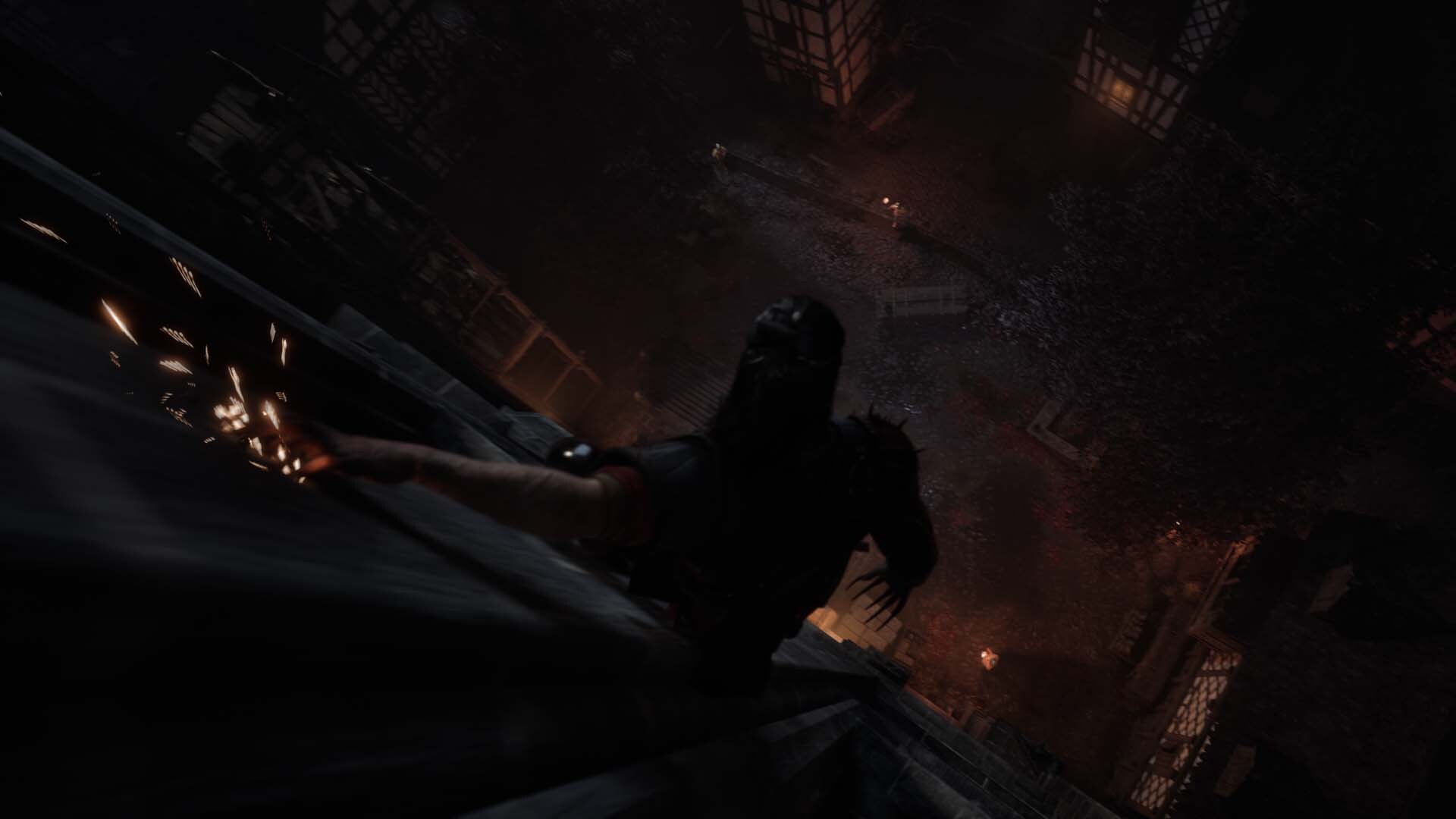
The day/night split changes your weapons before it changes anything else. By day Coen fights with swords and Witchcraft; by night his hands become claws and the Vampirism tree opens up. The claws are not a downgrade — in the opening hours they outdamage most swords you can find or buy, which makes night the natural time to pick fights. Night also grants Shadowstep, the wall-climbing trick that turns fortified camps into gardens with doors on the ceiling, and lets you flee across rooftops when a fight goes badly.
Weapon swaps run through the inventory menu — Square on PlayStation 5, X on Xbox — and cover armed and unarmed forms in both phases. The opening blade, Peregrini Aurorae, sits in the longsword family, and forged upgrades arrive later through the Forge It Anew quest line, which rewards Sword Shards from camps and excavations.
Omni modes: the accessibility trade-off
Not every player wants to manage four defense lines, and the game ships with an official answer. Omniblock and omniattack remove direction selection entirely — your blocks and swings cover every angle automatically — and the price is paid in stamina, which drains noticeably faster than directional play. Rebel Wolves added the modes after community feedback while keeping the directional system as the intended experience, so the settings sit there as a dial, not a trap: use them to learn an enemy moveset, then step back down when the patterns are familiar.
Building your combat loop
Put the pieces together and a strong fight looks like this: open at night with claws while your sword arm is still developing, parry the first shield attack to bank a free counter, dodge every skull without exception, and spend activation points on abilities while the counter window holds. Stamina discipline binds it all — omni defense, sprinting, and climbing share the same pool, so the player who blocks only what the shield icon shows keeps stamina for the attack that matters. Against the three lords, add one more habit: enter the arena at Level 1+ above their threshold, because Ambrus at 1+, Bakir at 20+, and Xanthe at 25+ each check your build as much as your reflexes.
Witchcraft layers a daytime toolkit over that loop. Hex magic rides alongside the sword in the confirmed day lineup, and the shared skill economy means every point you sink into a spell pays the same dividends as a sword technique — a hex that opens a guard is worth as much as the swing that follows it. Blend the two until your rhythm is your own: the game grades outcomes, not inputs.
FAQ
How do I parry in The Blood of Dawnwalker?
Watch for the shield icon on a targeted enemy and tap block as it turns orange. A successful parry costs no stamina and opens a counter window on the attacker.
What does the skull icon mean?
The attack is unblockable. Dodge or move out of its range entirely — blocking a skull attack is not an option the game offers.
Are omniblock and omniattack worse than directional combat?
They trade direction choice for higher stamina drain. They are a deliberate accessibility option, and the directional system remains the intended core experience.
Should I fight with swords or claws?
Swords by day, claws by night. Early on the claws outdamage most swords you own, and Shadowstep climbing makes night raids on camps far easier.
What are activation points for?
Successful attacks, blocks, and parries build activation points that fuel your stronger abilities mid-fight, so aggressive defense directly powers your offense.