
The Blood of Dawnwalker Beginner Guide — First Days in Laslea
The prologue runs on a timer, the first two skills to buy are movement powers, and your first lord is the one ruling the north.
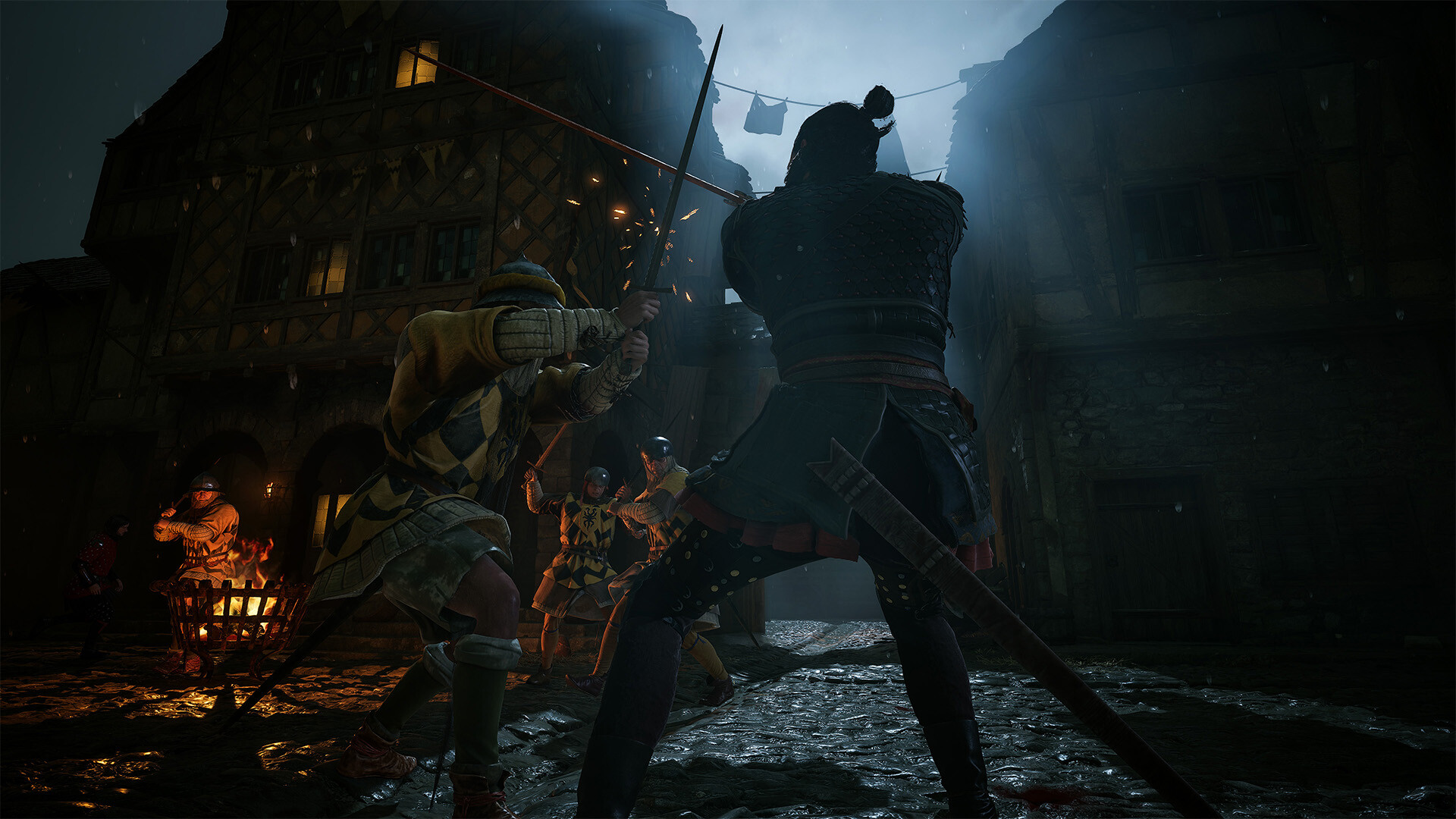
Quick answer: Treat the prologue as a timed exam — finish Withering Away by mixing hot water with three spoonfuls of herbs before the clock runs out, or Esme dies. After the prologue, buy Shapeshift and Mercurial Fervor first, because they cut every cross-map trip short. You have 30 in-game days, and a focused story run needs only 7–10 of them.
First days at a glance
The Blood of Dawnwalker hands you a 30-day deadline, a 10km² valley, and three vampire lords who all want you dead. That combination looks overwhelming on the first evening, so anchor your opening hours to five priorities and let everything else wait. Each one removes a specific early-game problem: a dead mother, slow travel, a fogged map, an overleveled target, or a ruined save.
| Priority | Action | Why it comes first |
|---|---|---|
| 1 | Clear every prologue quest before its timer expires | Prologue quests vanish afterwards, and failing Withering Away kills Esme |
| 2 | Buy Shapeshift (Vampirism) and Mercurial Fervor (Witchcraft) | Werewolf dashes by night, faster movement by day — the two biggest time savers in the game |
| 3 | Climb the 11 towers | Each tower marks nearby activities with question-mark icons on the map |
| 4 | Point your Court anger at Ambrus first | He rules the north and fights at Level 1+; Bakir needs Level 20+, Xanthe Level 25+ |
| 5 | Rotate manual saves every few quests | The game supports 54 manual save slots, enough to protect every branch |
The timed prologue
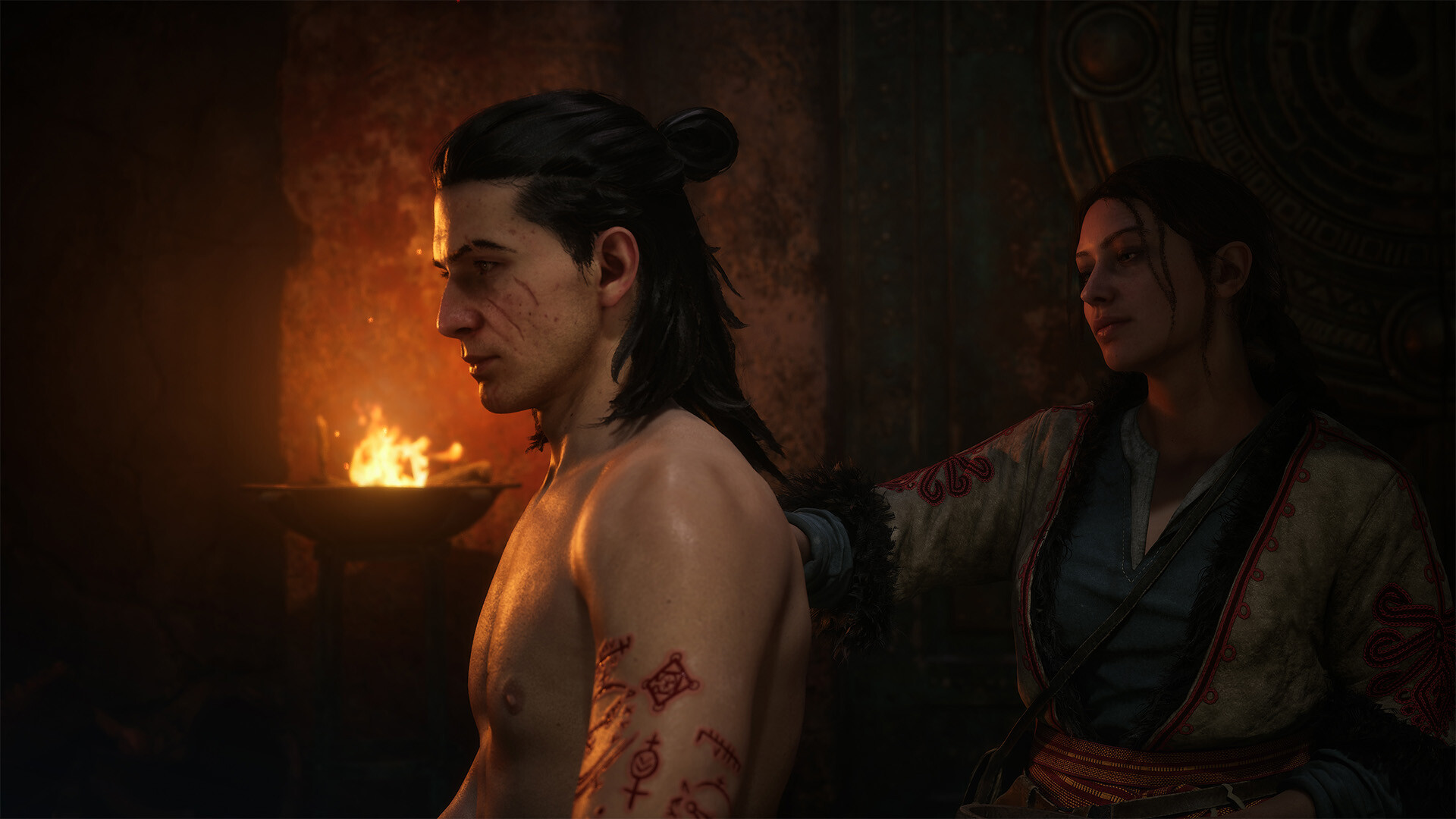
The opening chapter is the only part of The Blood of Dawnwalker with a hard, missable checklist. Six main quests carry the story — All Good Things, Withering Away, Like Father Like Son, Sacred Covenant, Bad Blood, and Smoke and Ashes — and none of them come back once the prologue ends. The second of them, Withering Away, hides the classic early mistake: your mother Esme needs medicine, and the craft only works with hot water and three spoonfuls of herbs. Get the dose wrong or run out the clock and she dies for the rest of the run.
Ten prologue side quests sit alongside the story chain, including Live Bait, Someone Needs A Lesson, Dead Drop, Deep Down, Blasphemy, and the Bandit’s Treasure Map for Laslea Glen. They all disappear when the prologue closes, so grab any that cross your path without chasing them across the valley. The journal tells you which tasks are fragile: an hourglass icon marks time-sensitive objectives, a sun icon marks day-only tasks, and a moon icon marks night-only ones.

Your first skill purchases
Two skills reshape the entire early game, and both cost points you already have shortly after the prologue. Shapeshift from the Vampirism tree lets Coen become a wolf at night and chains a second dash into the form, while Mercurial Fervor from the Witchcraft tree raises daytime movement speed. Buy both before anything else — the valley has no mounts, so every hour of walking you remove is an hour spent on quests. At night the purchase pays twice: vampire claws hit harder than most early swords, and Shadowstep lets you climb walls and rooftops that are unreachable on foot.
For the wider build, early advice stays simple: push your core attack, defense, and stamina stats before chasing gimmicks, and remember the three trees — Swordmastery, Witchcraft, and Vampirism — all draw from one shared XP bar and one skill-point currency. Nothing you buy is wasted on a class you abandon, because there are no classes, only toolkits.
How the 30-day clock really works
The deadline sounds brutal until you see its units: one in-game day holds 16 time segments, eight by day and eight by night, for a budget of 480 segments across the run. Time behaves like a currency — finishing quests and certain marked dialogue choices spend it, and the game shows the price before you confirm. Walking, climbing, fighting, and exploring spend nothing, which is why the map is yours to roam between tasks. A focused route through the Court activities reaches the finale in 7–10 in-game days, so even a side-quest-heavy first run keeps a wide margin.
Let the clock lapse and the story collapses into its Time Runs Out ending: the family dies, the credits roll without any trophy endings, and your save stays in the world for cleanup. The deadline punishes idling at the quest screen, not curiosity in the open world.
Where to go after the prologue
Open the Court menu and pick a target: the story advances by doing Court activities that raise each lord’s Anger until they accept a duel. Ambrus, the Right Fist of the Knyaz, holds the northern part of the map and is tuned for Level 1+ characters, which makes him the intended first hunt. Bakir the Mad Khan expects Level 20+, and Xanthe the Dark Mistress Level 25+, so working north-to-south keeps every fight inside your level band. On higher difficulties, detour to the 11 towers first — their question-mark reveals turn every Court activity from a blind search into a marked errand.
One discipline rule matters more than any route: never kill non-hostile NPCs or quest givers. A dead quest giver locks their chain for the whole run, and with 46 achievements tied to questlines and endings, a careless sword swing in town costs more than any fight.
Combat habits to build early
Fights run on a four-direction system: hold a direction on the stick and attack to swing that way, or match a block direction to an incoming swing. Watch the indicators rather than the animation — a shield icon marks an attack you can block or parry, and tapping block as the shield turns orange turns it into a parry that costs no stamina and opens a counter window. A skull icon marks an unblockable attack: dodge instead. If directional defense feels too demanding early on, the omniattack and omniblock modes remove direction choices at the cost of extra stamina, and you can switch them off again once the timing clicks.
Saves and safety nets
The single most valuable beginner habit costs nothing: save manually, often, and in rotation. Fifty-four manual slots exist precisely so a bad dialogue choice never has to be permanent — keep a rolling set of saves every few quests, and from the mid-game onward keep one permanent save untouched for the endgame. Feed regularly too: letting the blood hunger stay high risks Coen attacking townsfolk, and a feral bite on a quest giver is the one mistake a reload fixes slowly. When you reach the final quest, A Deal with the Devil, make a fresh save and never overwrite it — all 7 endings replay from that single point in minutes.
FAQ
Do prologue side quests really disappear?
Yes. Every prologue quest, main and side, is timed and vanishes when the prologue ends, so pick up Live Bait, Dead Drop, and friends as you pass them rather than planning a second visit.
What should a beginner do in the first two hours?
Finish the prologue quests, buy Shapeshift and Mercurial Fervor, then start Ambrus’s Court activities in the north — that order fixes the run’s only hard deadline before touching anything optional.
Does exploring waste story time?
No. Only quests and certain marked dialogue choices spend the 480 time segments; walking, climbing, and fighting cost nothing.
Which lord should I fight first?
Ambrus. He is tuned for Level 1+ and rules the northern map, while Bakir and Xanthe expect Level 20+ and Level 25+ respectively.
How many saves should I keep?
Rotate manual saves every few quests across the 54 slots, and protect one permanent save before A Deal with the Devil so every ending stays reachable.